
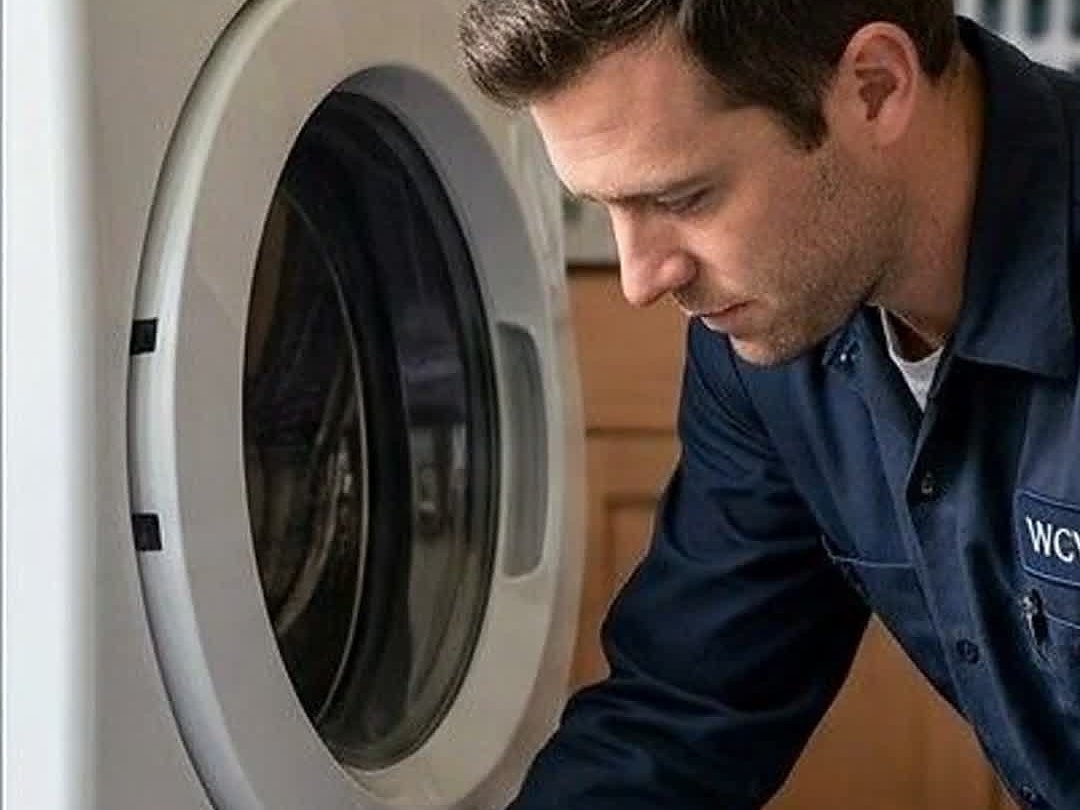
The Physics of Volumetric Ice Expansion (9%)
When liquid water freezes into ice crystals, its volume expands by approximately 9% with immense hydraulic force (exceeding 30,000 PSI). Modern household appliances are packed with thin-walled molded POM plastic solenoid valve bodies, rubber diaphragms, and sonic-welded pump casings.
Simply turning off the main house water valve does NOT protect your appliances. Gravity cannot drain the water trapped behind internal solenoid plungers or sitting in the bottom sump basin of a dishwasher. When that water freezes, the plastic housings split like eggshells.
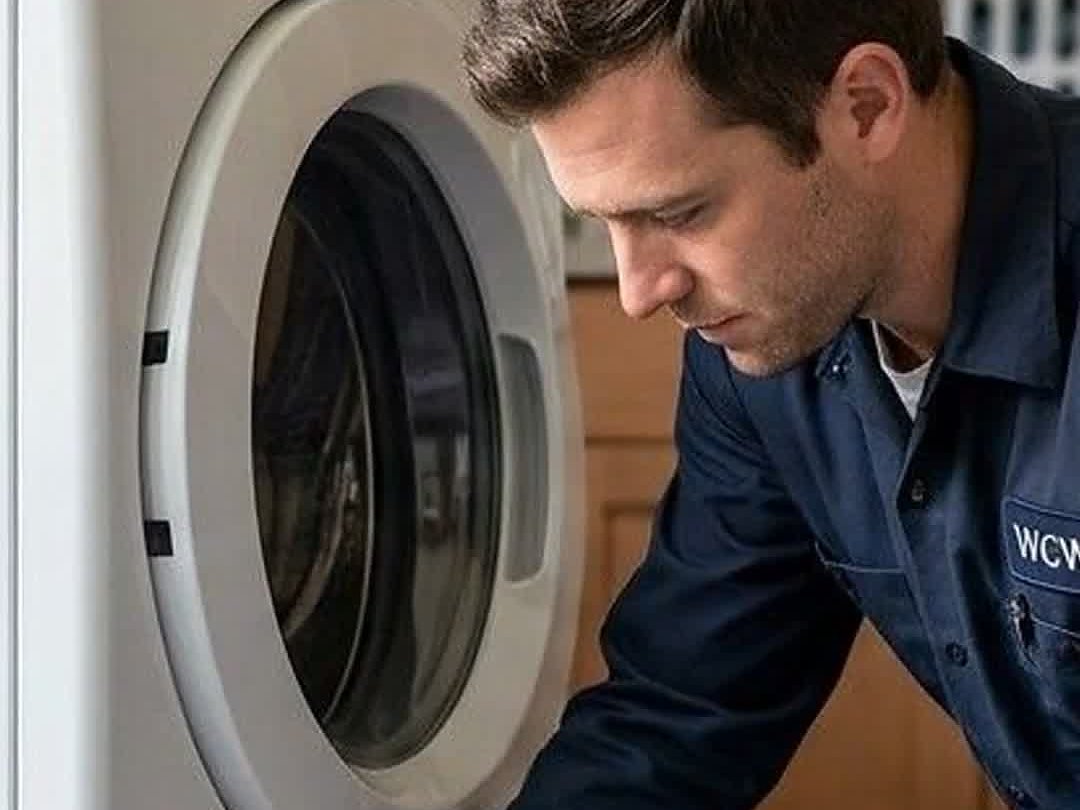
1. Winterizing Washing Machines in Unheated Spaces
If your washing machine lives in an uninsulated garage, basement breezeway, or seasonal cabin:
1. Shut off both hot and cold water supply taps behind the washer. Disconnect the braided supply hoses from the wall and drain them into a bucket.
2. Select the Warm Wash cycle and press Start for 15 seconds. This energizes both the hot and cold water inlet solenoids, allowing atmospheric pressure to break the vacuum and drain trapped water out of the valve bodies.
3. Pour 1 quart of non-toxic pink RV/marine antifreeze (propylene glycol) into the wash drum. Never use automotive antifreeze (ethylene glycol), which is toxic and damages pump seals.
4. Set the machine to Drain / Spin for 30 seconds. The drain pump will pull the pink antifreeze through the pump volute and corrugated drain hose, displacing freeze-vulnerable standing water.
2. Winterizing Dishwashers in Seasonal Cottages
A dishwasher holds nearly 1 liter of water inside its central sump, check valve, and water inlet valve even after running a drain cycle:
1. Shut off the under-sink water stop valve and disconnect the 3/8-inch supply line at the inlet valve. Place a shallow pan underneath to catch draining water.
2. Pour 1/2 gallon of non-toxic pink RV antifreeze directly into the bottom of the empty dishwasher tub.
3. Start a cancel/drain cycle for 20 seconds until you see pink antifreeze emerge into the sink drain hose, then cancel power at the circuit breaker. Antifreeze now protects the check valve and drain pump impeller from cracking.
3. Refrigerator Ice Maker & Water Dispenser Lines
Refrigerators located in unheated garages face double trouble: the 1/4-inch polyethylene water supply lines running up the rear back wall freeze and shatter, and the internal dual water valve splits.
Furthermore, when garage temperatures drop below 4°C (40°F), traditional refrigerator thermostats stop cycling the compressor because the garage is already cold. When the compressor shuts off, your freezer compartment warms up to ambient temperature, melting frozen meat and seafood. If keeping a fridge in an Island garage, install a Garage Heater Kit around the thermostat or drain and disconnect the water line completely.
4. Spring De-Winterization Flush Protocol
When returning in the spring, reconnect water supplies, turn taps on, and run two complete empty Heavy Wash cycles with hot water and detergent to thoroughly purge all non-toxic antifreeze residue before washing household clothes or eating utensils.
Emergency Freeze Diagnostics Across Greater Victoria
West Coast Wrench replaces freeze-cracked water inlet valves, ruptured supply hoses, and split sump pumps for residential and vacation properties across Greater Victoria, Sooke, the Malahat, and the Saanich Peninsula.