
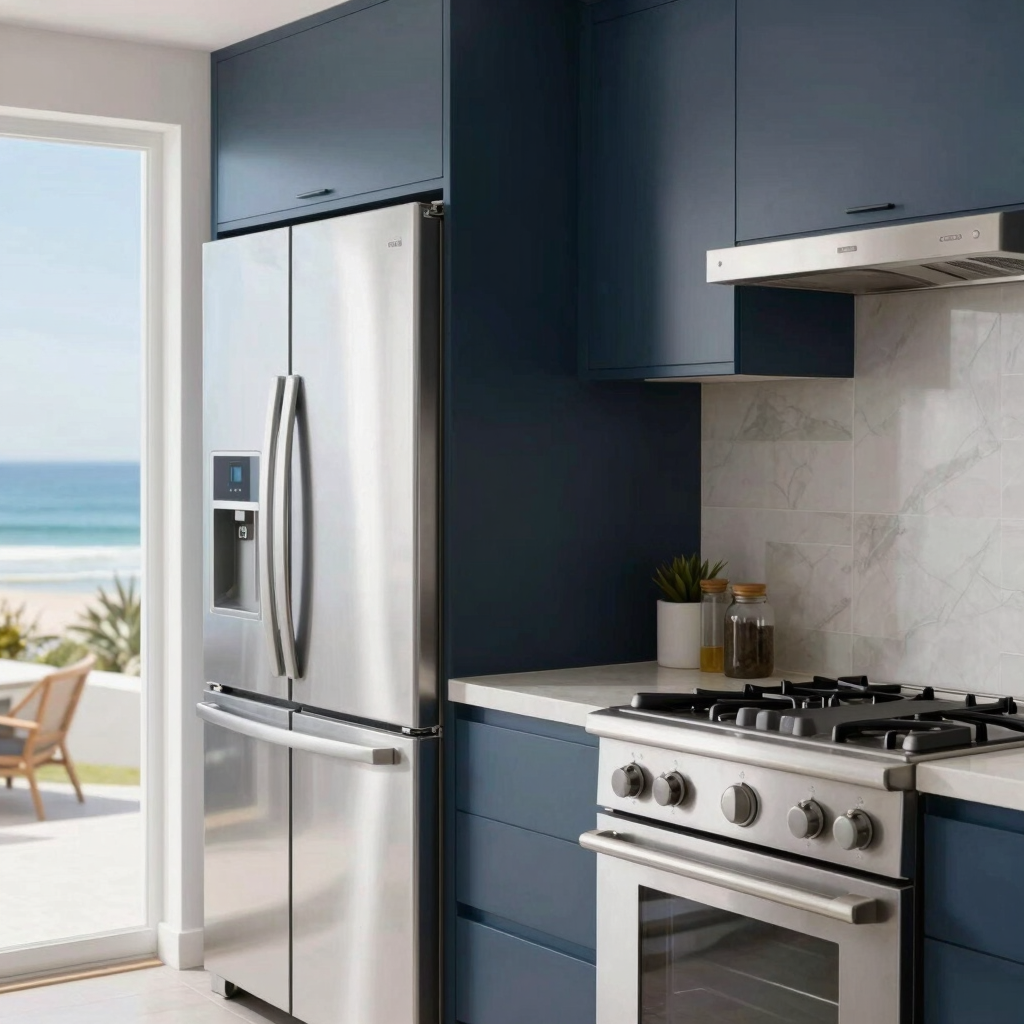
The Difference Between "Loud Noise" and "Actual Airflow"
Many homeowners equate motor noise with suction power: "The fan sounds like a jet engine, so it must be pulling plenty of air." In reality, an exhaust fan makes the most noise when it is choked by extreme static backpressure.
When high-velocity air cannot escape the cabinet, the centrifugal blower wheel stalls in aerodynamic cavitation. Air churns violently in turbulent circles inside the hood housing instead of drafting up the chimney flue.
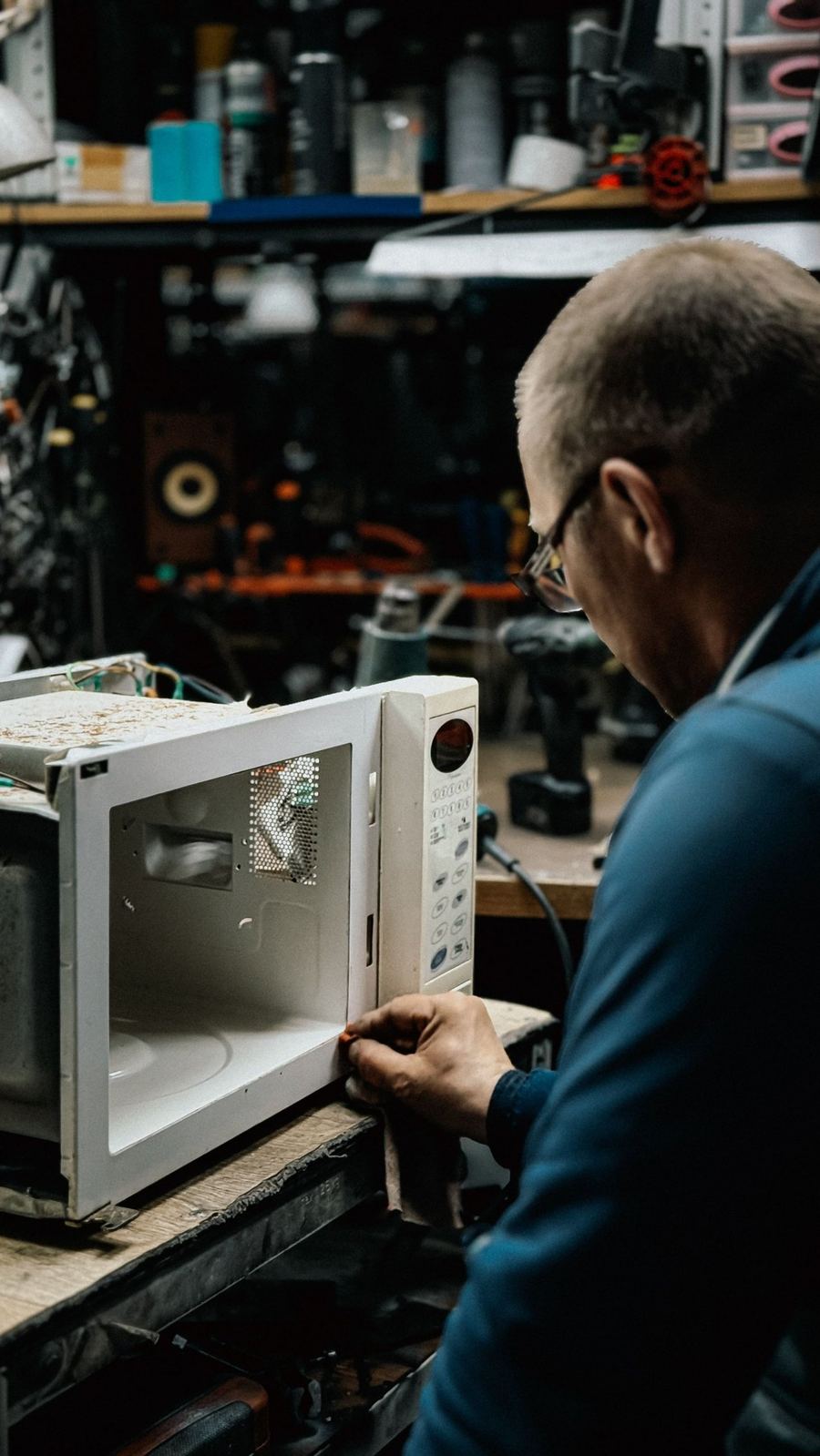
1. The 4-Inch Duct Bottle-Neck
Building code in older Greater Victoria homes and townhouses commonly installed 4-inch or 5-inch flexible foil dryer ducting for kitchen exhaust. Modern pro-style range hoods (Broan, Faber, Zephyr, Vent-A-Hood) require a minimum 6-inch, 7-inch, or 8-inch rigid smooth metal duct.
Forcing a 600 CFM (cubic feet per minute) blower through a 4-inch duct is physically impossible: static resistance increases by over 400%, cutting effective airflow down to 180 CFM while multiplying decibel levels.
2. Grease-Saturated Aluminum Mesh Filters
Multi-layer aluminum mesh filters trap aerosolized grease droplets. Over several months, sticky cooking oil hardens inside the internal micro-layers into amber varnish that cannot be removed by casual surface wiping.
The Paper Towel Suction Test: Turn the range hood fan to medium speed. Place a single sheet of paper towel flat against the aluminum filter. If the suction is healthy, the paper towel will hold itself firmly against the filter. If it drops to the stovetop, airflow is severely restricted.
3. Recirculating vs Ducted Installation Switch
When over-the-range microwaves or slim hoods are installed, the blower motor housing must be physically rotated during installation depending on whether the unit vents out the roof, out the rear wall, or recirculates back into the kitchen.
We frequently encounter new appliances where the installer connected the exterior roof duct, but forgot to rotate the internal blower fan squirrel-cage toward the top port. The fan blows air against a solid metal internal plate while smoke curls out the bottom.
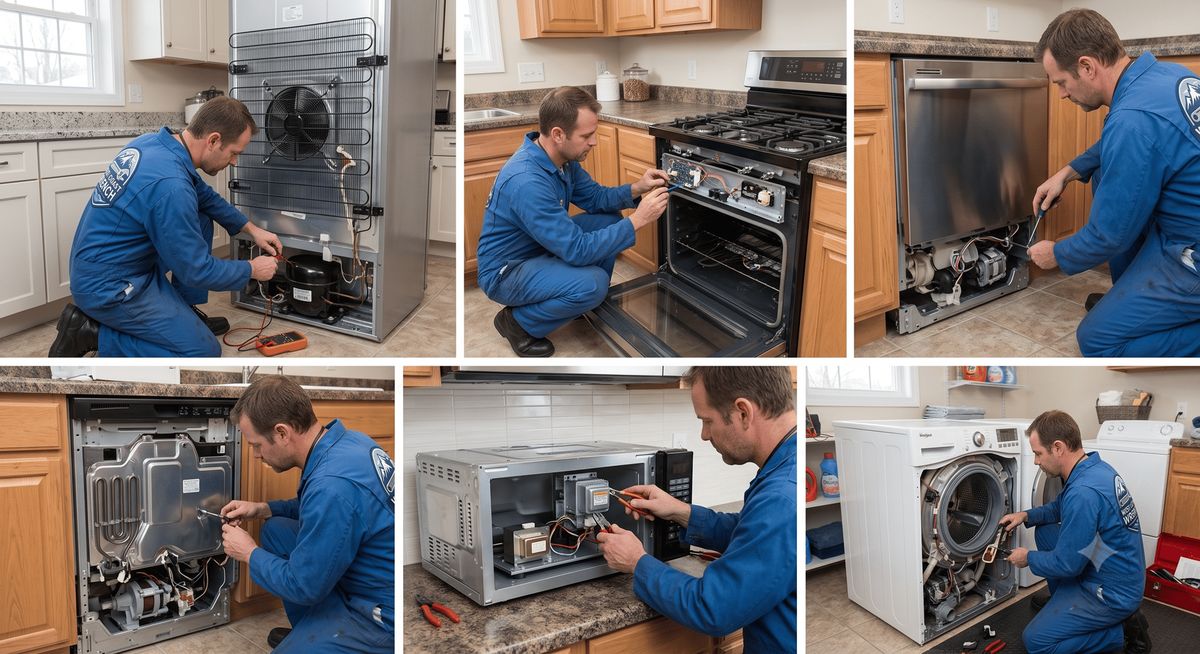
Professional Kitchen Ventilation in Greater Victoria
West Coast Wrench diagnoses kitchen airflow dynamics, transitions duct adapters, and repairs multi-speed blower motors for Zephyr, Broan, Faber, KitchenAid, and Bosch ventilation systems across Victoria, Saanich, and Oak Bay.