
The Mathematics of BC Hydro's Two-Tier Residential Rate
Under BC Hydro's residential conservation rate structure, customers pay roughly 10.97 cents per kWh for the first 1,350 kWh in a two-month billing period (Tier 1). Once you cross that threshold, every subsequent kilowatt-hour spikes to 14.08+ cents per kWh (Tier 2).
Furthermore, BC Hydro's optional Time-of-Day pricing offers an overnight discount (5 cents off per kWh between 11:00 PM and 7:00 AM) and an on-peak surcharge (5 cents extra per kWh between 4:00 PM and 9:00 PM on weekdays). Running high-draw appliances during peak hours drains hundreds of unnecessary dollars each year.

1. Shifting Major 240V Loads Past 11:00 PM
The two heaviest electrical consumers in any home outside the heat pump are the electric dryer (drawing 5,000 watts) and the dishwasher (drawing 1,500 watts with heating element).
Running two loads of laundry and a dishwasher cycle between 5:00 PM and 8:00 PM when you get home from work hits peak grid pricing and pushes you straight into Tier 2. Almost every modern machine has a built-in Delay Start button. Load your laundry and dishwasher after dinner, hit Delay Start for 4 or 5 hours, and let them run at 1:00 AM while you sleep.
2. The $80/Year Furry Refrigerator Condenser Tax
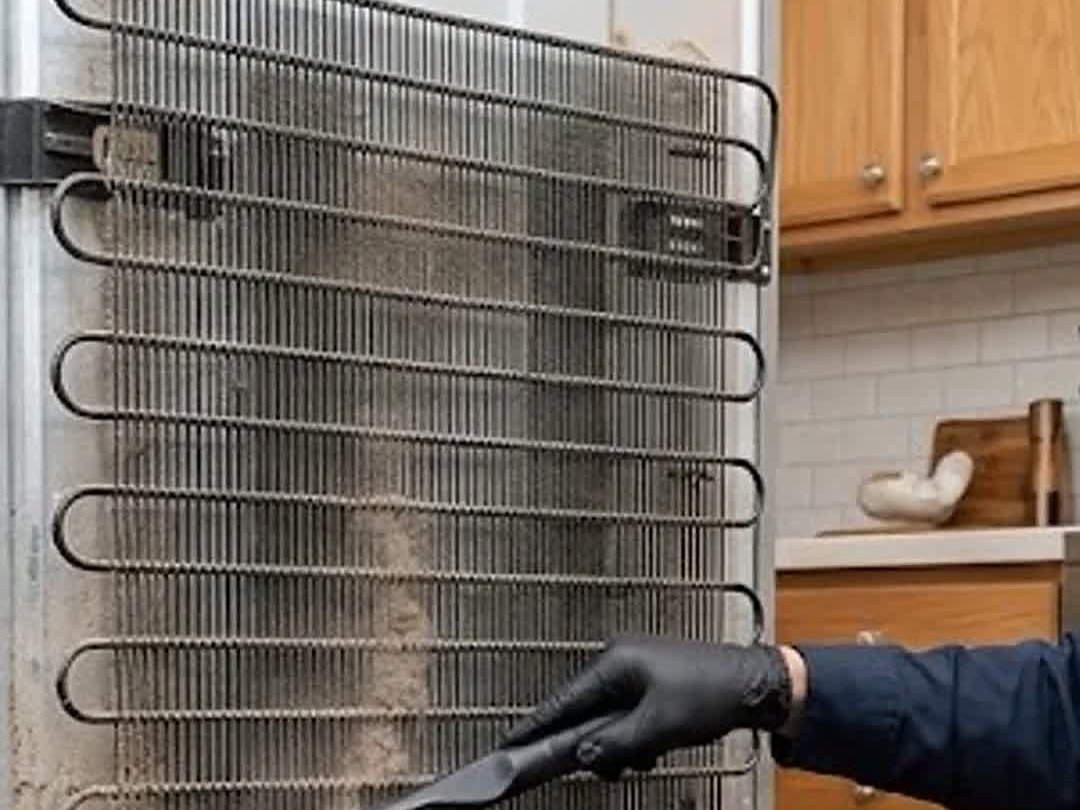
Your refrigerator compressor runs 24 hours a day, 365 days a year. It sheds heat through a wire-and-tube condenser coil nestled underneath the chassis right next to the floor.
In homes with cats, dogs, or carpeted hallways, that coil acts like an electrostatic dust mop. Within 12 months, pet hair and dust form a thick insulating blanket over the copper tubing. The compressor must work twice as hard and run 18 hours a day instead of 9 hours to keep milk cold, consuming an extra 150 to 250 kWh annually. Vacuuming the condenser coil twice a year saves real money immediately.
3. Choked Dryer Ductwork: The Double-Cycle Energy Sink
If your dryer takes 75 minutes to dry towels instead of 40 minutes, you are burning an extra 3,000 watt-hours on every single load. In a family that washes 6 loads per week, that adds up to nearly 1,000 kWh of wasted electricity per year—almost your entire Tier 1 allowance!
Drying is 80% airflow velocity and only 20% heat. Clearing the exterior exhaust hood flapper and scrubbing fabric softener wax from the lint filter restores 180 CFM airflow, cutting cycle times back down to 38 minutes.
4. Turn OFF Heated Dry on Modern Dishwashers
The traditional Calrod heating element at the bottom of a dishwasher consumes 750 watts for 35 minutes solely to bake water off plates during the dry cycle. Switching your cycle to Air Dry / Condensation Dry (or cracking the door open when the wash ends) saves 15% to 20% of the entire cycle's energy.
Efficiency & Energy Audits Across Greater Victoria
West Coast Wrench diagnoses inefficient appliances, optimizes electrical performance, and replaces failing compressors and heating coils across Victoria, Saanich, Langford, and Sidney.