
The Material Science: Glass vs Ceramic Silicate
A smoothtop range is not standard window glass. It is a polycrystalline ceramic engineered with near-zero thermal expansion coefficient. It can withstand 700°C temperature spikes without cracking when cold tap water splashes onto it.
However, glass-ceramic is vulnerable to chemical etching from two common kitchen culprits: hot sugar syrups (which bond molecularly to the silica and can pluck glass chips off upon cooling, known as pit damage) and polymerized vegetable oil baked beneath boiling hot pan bottoms.
Step 1: The 30-Degree Carbon Blade Mechanical Shave
Never scrub charred rings with green Scotch-Brite pads or metal scouring sponges. Green scouring pads contain aluminum oxide crystals that have a higher Mohs hardness rating than glass-ceramic; they will permanently dull and scratch the factory gloss.
Instead, use a brand new single-edge razor blade clamped in an ergonomic utility scraper. Wet the cooktop with a thin mist of water or specialized ceramic cleaner to lubricate the pass. Hold the blade at a strict 25 to 30-degree shallow angle against the glass surface. Push forward smoothly with even two-handed pressure. The sharp bevel will slice between the burnt carbon shell and the non-porous glass, peeling off black crusts like wood shavings without scratching.
Step 2: Dissolving the Milky White Under-Glass "Haze"
Once surface carbon is shaved off, you are often left with a faint white cloudy patch directly centered over the burner ring. Homeowners often panic, believing the glass has melted or burned internally.
This haze is almost always mineral salt calcification from water boiling over, or microscopic metal transfer from aluminum or copper pan bases moving on the heated surface. To remove this:
1. Apply a generous dime-sized bead of micro-abrasive ceramic cooktop polishing paste (such as Weiman Glass Cooktop Cream or Cerama Bryte).
2. Use a dedicated dense non-abrasive foam applicator pad or dry folded paper towel.
3. Buff vigorously in tight 2-inch circular motions for 90 seconds directly over the white cloud. The fine feldspar abrasive gently cuts through the baked mineral film without altering the reflective index of the glass.
4. Buff clean with a dry microfiber cloth. The glass will return to showroom jet-black reflectivity.
3. Preventing Thermal Shock Cracks and Pit Gouges
Cooktop glass replacement typically costs between $450 and $900 in OEM parts. Keep these technician rules in mind to protect your investment:
Never slide rough cast iron: Uncoated rough cast iron pans act like coarse sandpaper. Always lift and place pans rather than sliding them across the zones.
Wipe pan bottoms before cooking: A single grain of sea salt or coarse sand trapped beneath a 10-pound Dutch oven will grind a deep furrow into the ceramic surface.
Wipe hot sugary spills immediately: If jam, caramel, or sweetened sauce boils over onto a radiant hot zone, use a wooden spatula or oven mitt immediately to push it onto a cool corner of the range before it cools and bonds to the silica structure.
Cooktop Electrical and Glass Replacement in Victoria
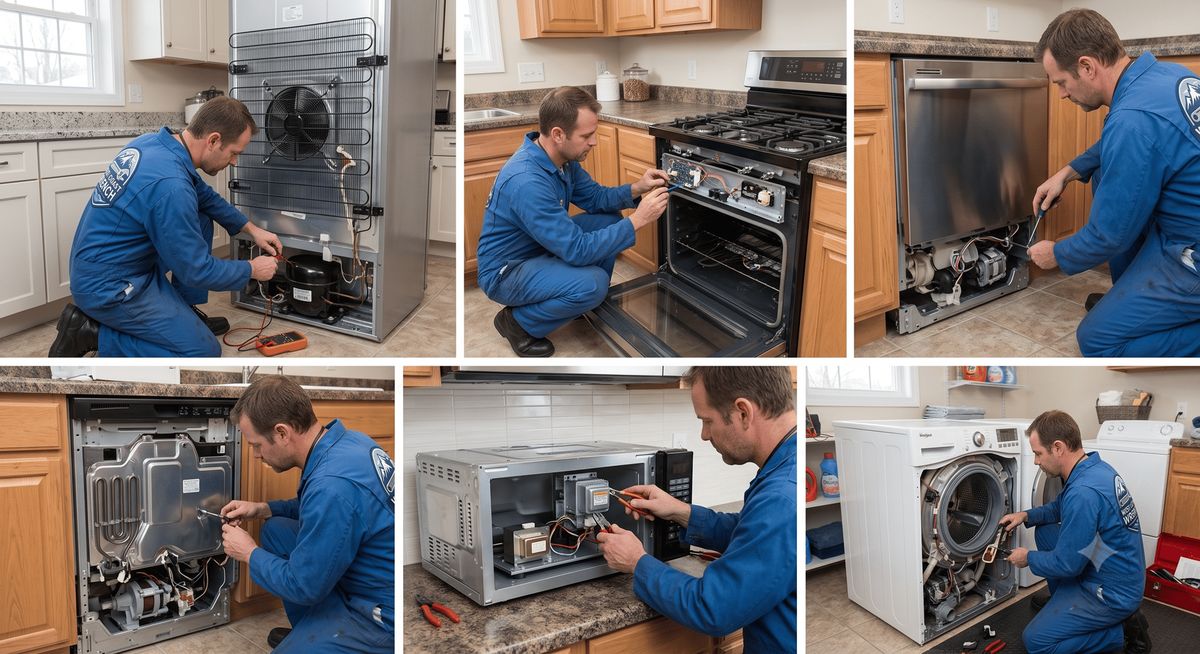
If your ceramic cooktop has a cracked surface or shattered corner, it must be disconnected immediately to prevent 240V liquid intrusion shocks. West Coast Wrench sources OEM replacement glass assemblies and internal radiant elements for all major brands across Greater Victoria.