
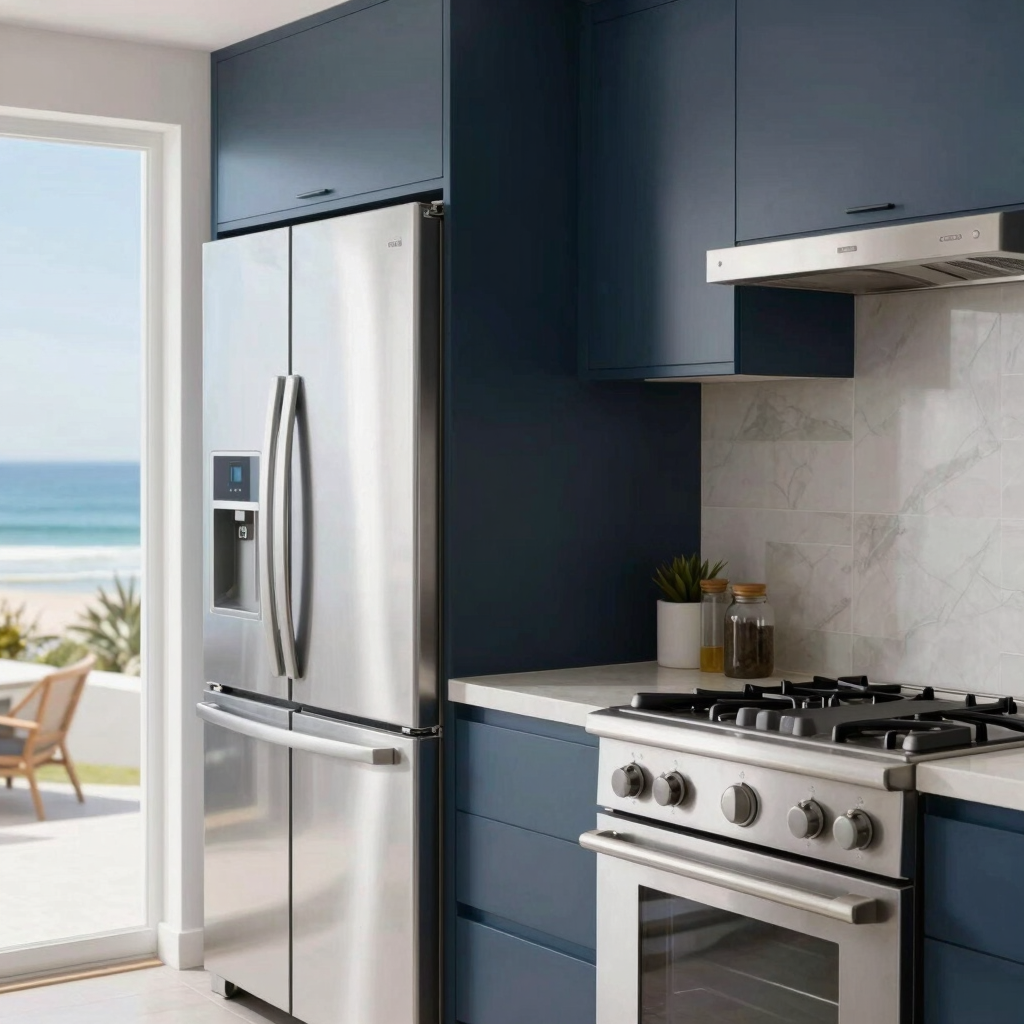
The Shift to "Hidden" Under-Floor Bake Elements
On vintage ranges, the 2,500-watt tubular bake element was bolted right on top of the porcelain cavity floor. When it burned out, it was obvious: you saw a brilliant orange lightning flash, a loud crack, and a melted blistered break in the black metal sheath.
Modern electric wall ovens and slide-in ranges (Whirlpool, KitchenAid, GE Cafe, Samsung, Bosch) conceal the bake element completely beneath a sub-floor pan for easy spill cleanup. When that hidden element burns out, homeowners do not see physical damage. They assume the oven is simply "getting old."
Why Does the Oven Heat Up at All If the Bake Element Is Dead?
This is the most common confusion: "If the bake element is burned out, why does my oven eventually reach 350°F after 45 minutes?"
Modern microcomputers use a staged preheat sequence. To get the cavity up to temperature quickly, the board cycles both the top broil element (3,500W) and the convection ring element (2,500W) alongside the bottom bake element. When the bottom bake element has completely burned out, the top broil element does 100% of the work alone.
Radiant heat slowly drifts downward from the ceiling, taking nearly an hour to register on the rear RTD temperature sensor probe. Because all heat originates from above, your food burns on the top surface while remaining unbaked on the bottom.
Testing Hidden Elements with a Multimeter
To confirm the failure without buying unnecessary parts:
- Cut the 240V double-pole circuit breaker at the main electrical panel.
- Pull the range forward or slide the wall oven out to remove the lower rear galvanized inspection shield.
- Pull off one wire lead from the element spade terminals.
- Measure resistance with a digital multimeter across the two element spade terminals.
- Healthy Element: Measures between 18 and 28 ohms.
- Failed Element: Measures OL (open loop / infinite resistance), confirming the internal resistance wire has snapped inside the magnesium oxide insulation.
Control Board "Double Line Break" Relay Failure
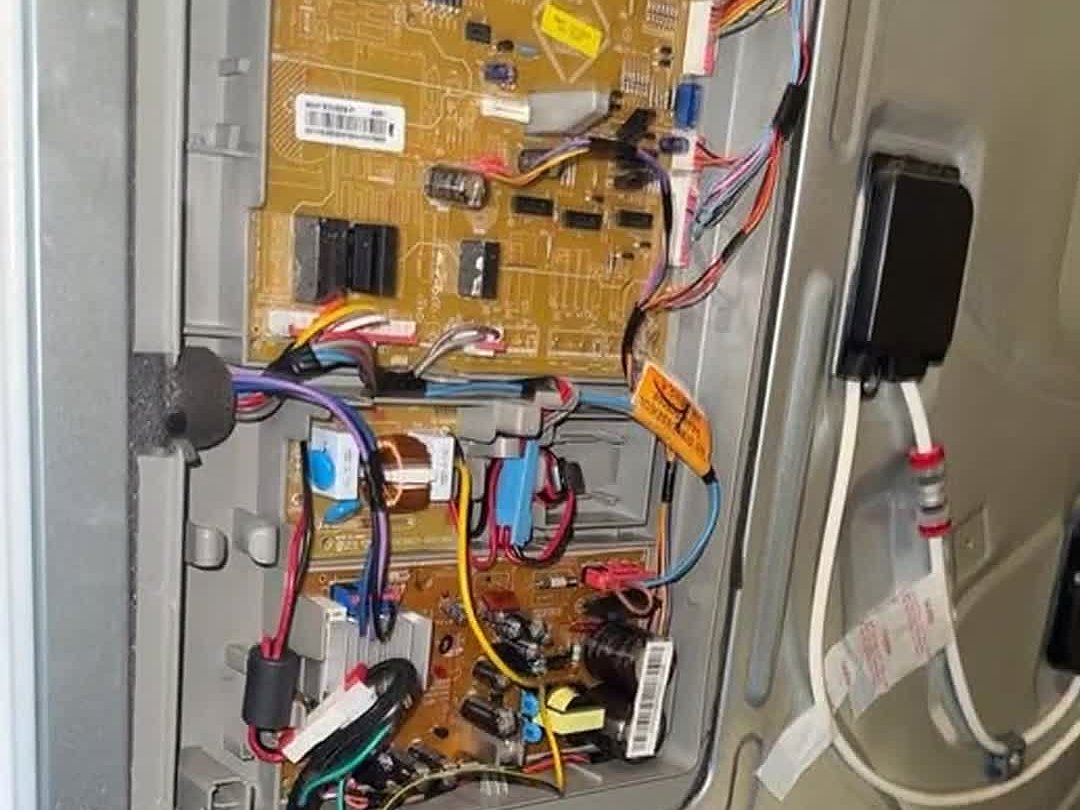
If the lower element tests at a healthy 22 ohms, the issue lies in the electronic control board. The board uses miniature 12V DC relays to switch 240V power to the element. Constant thermal cycling can crack the solder joints on the printed circuit board (PCB) or pit the relay contacts, preventing voltage delivery to the element.
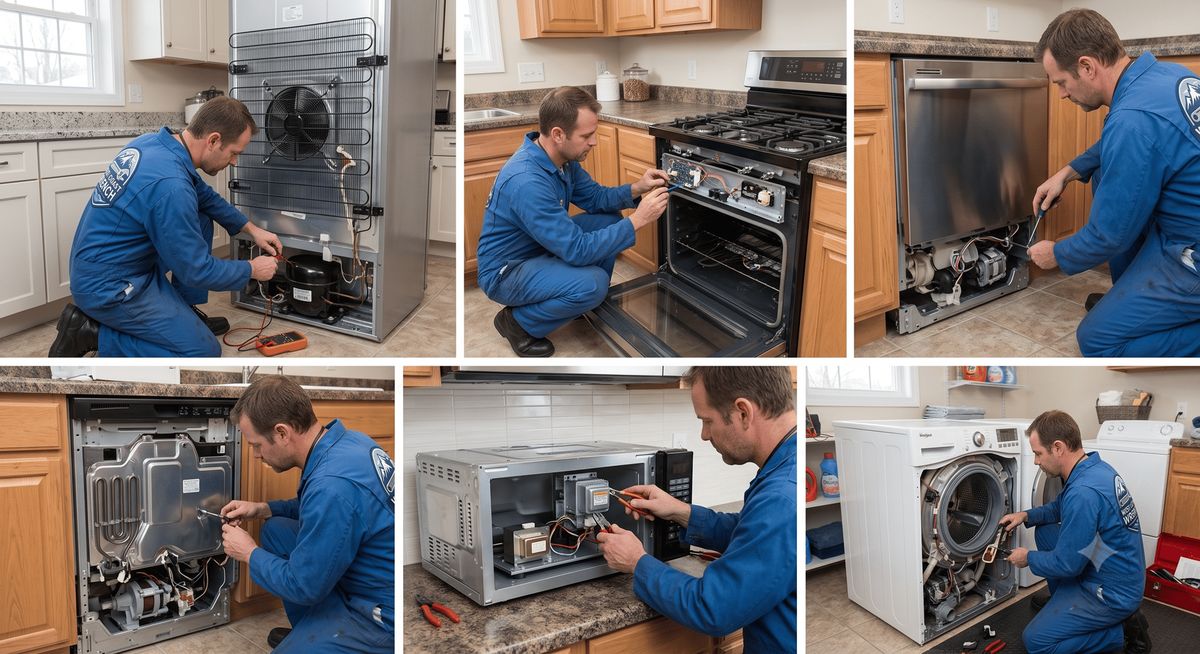
Professional Electric Oven Service in Victoria
West Coast Wrench provides same-day electric oven diagnostics, hidden bake element replacements, and control board repairs across Greater Victoria, Oak Bay, Saanich, and Langford.