
The Electronic Fill Architecture: Time vs Pressure Flow
Most modern residential dishwashers do not have a water level gauge. Instead, they fill using **timed solenoid actuation** or an inline turbine flow meter. The control board energizes the 120V water inlet solenoid for exactly 90 to 120 seconds, expecting household water pressure (between 20 and 120 PSI) to deliver roughly 3 to 4 liters of hot water into the basin.
If water flow is choked by debris or blocked by a safety interlock, the water volume inside the tub will be too shallow for the wash pump to draw suction.
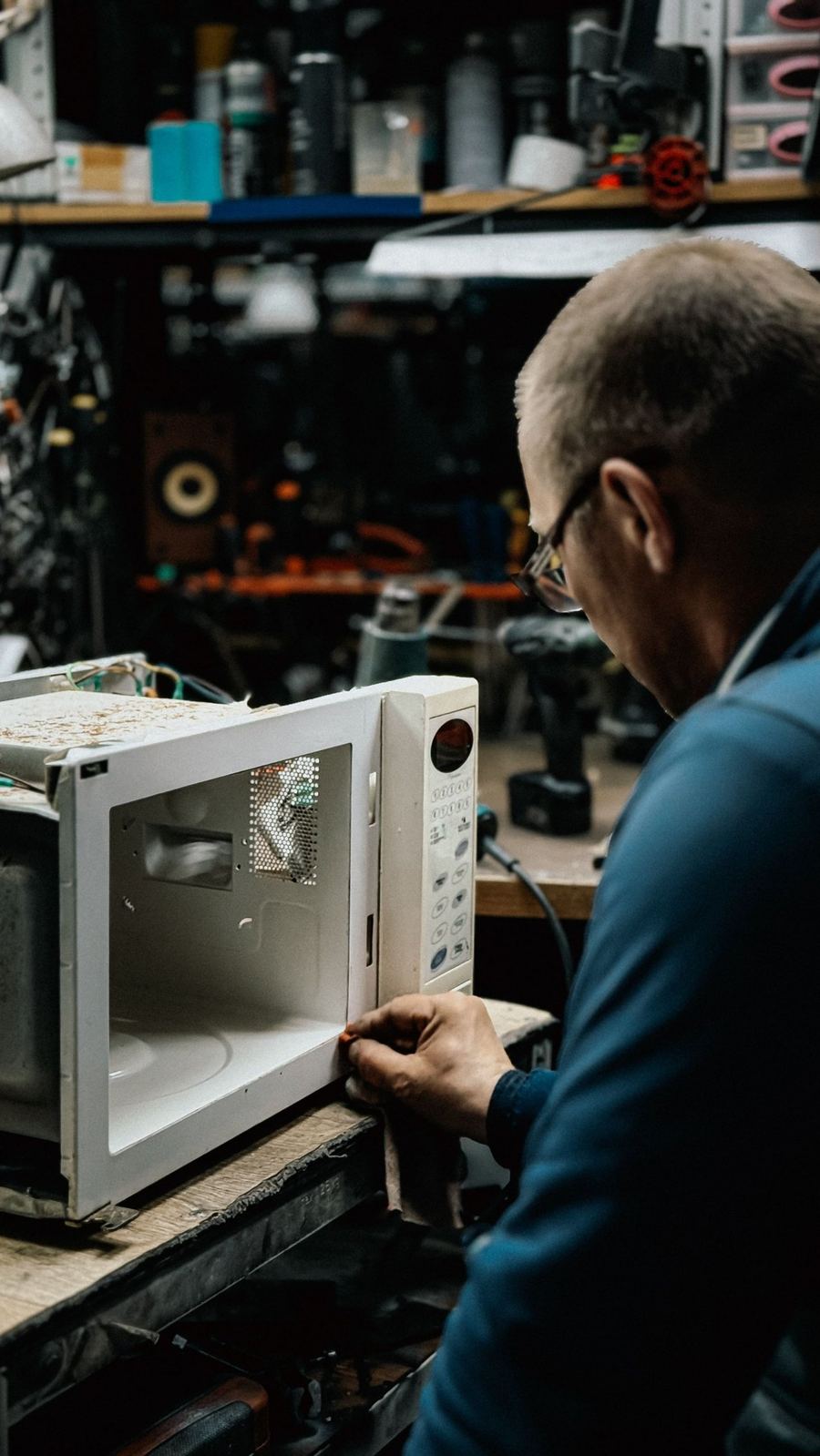
1. The Choked Inlet Valve Sediment Filter Screen
Inside the threaded brass or plastic water inlet port of the valve (located behind the lower toe-kick access panel on the front left or bottom rear) is a fine dome-shaped stainless or nylon screen. It is designed to capture rust flakes, solder balls, and sand from municipal water mains before they damage the internal rubber diaphragm.
If plumbing work was performed on your street or inside your home, rust breaks free from copper lines and packs solidly into this screen. The solenoid coil hums with full 120V power, but only a pencil-thin trickle passes through.
Technician warning: Never puncture or remove this mesh screen. If you remove the screen, sand will lodge inside the rubber diaphragm seat within two weeks, causing the valve to stick open and flood your home with 500 gallons of water. If cleaning with a toothbrush fails, replace the entire valve assembly.
2. The Stuck Mechanical Overfill Float Switch
Look inside the front left or right corner of the tub basin. You will see a small plastic dome or cylinder known as the overfill float. As water fills the basin, this plastic cylinder floats upward. If water exceeds 3 inches, the float lifts a mechanical lever underneath the tub, triggering an electrical microswitch that immediately cuts power to the inlet valve to prevent an overflow.
Over months of wash cycles, dried dish soap scum, bacon grease, and fallen toothpicks accumulate underneath this float dome. The float cylinder glues itself to the plastic guide rod in the **raised position**. The computer believes the machine is overflowing and refuses to send power to the inlet valve. Test: Lift the float dome with your fingers. It must move up and down freely with a crisp, audible mechanical click.
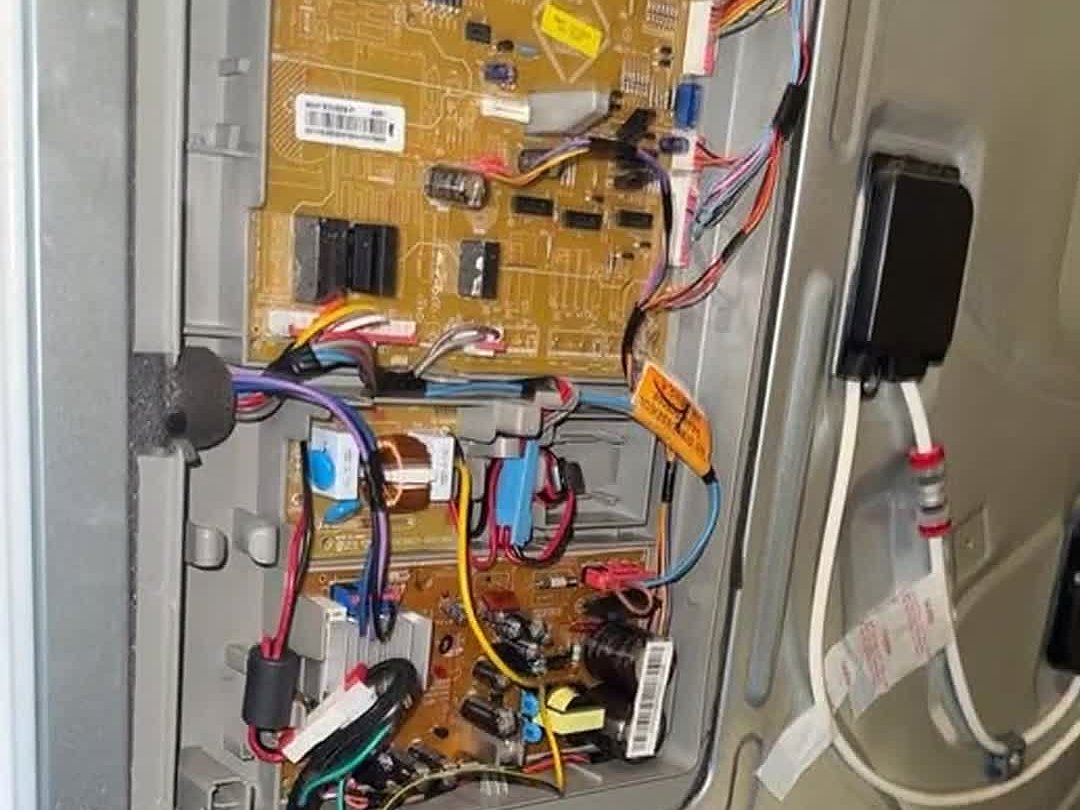
3. Testing the Electromagnetic Solenoid Coil
When the control board calls for water, it delivers 120 volts AC across the two spade terminals on the inlet valve solenoid. This energizes an electromagnet that lifts a spring-loaded stainless steel plunger, allowing pressurized line water to enter the tub.
Over thousands of duty cycles, the ultra-fine copper magnet wire inside the molded coil burns open due to resistance overheating. Technicians turn power OFF, disconnect the wiring harness, and measure coil resistance with an ohmmeter. A functional valve coil reads between 1,000 and 1,500 ohms. An Open Loop (OL) reading indicates a dead coil requiring direct replacement.
4. Braided Stainless Water Line Kinks
When the dishwasher was pushed into its cabinet alcove, did the excess 5-foot braided stainless supply hose coil neatly, or did it kink tightly in half behind the chassis? A severe bend will reduce 60 PSI line pressure down to zero.
Professional Dishwasher Hydraulics Across Victoria
West Coast Wrench diagnoses water fill issues, replaces inlet valve solenoids, and installs factory OEM flood protection valves for Bosch, Whirlpool, KitchenAid, Miele, and Samsung dishwashers throughout Greater Victoria and Southern Vancouver Island.