
The Difference: Heated Dry vs. European Condensation Drying
Older North American dishwashers featured an exposed circular metal electric calrod heating element at the floor of the tub. At the end of the cycle, it glowed hot, baking moisture off plates like an oven toaster (and melting any plastic item that fell into the lower rack).
Modern premium machines (Bosch, Miele, KitchenAid, Samsung) no longer use exposed elements to meet stringent energy standards. Instead, they use condensation drying: the final rinse water is superheated to 155°F–160°F, turning the dishes intensely hot. Because the stainless steel tub walls cool faster than the heavy ceramic and glass dishes, steam condenses against the cool steel tub and drains down into the sump.

1. You Are Not Using Liquid Rinse Aid
On condensation-dry dishwashers, rinse aid is not optional cosmetic shine: it is 50% of the mechanical drying system.
Water naturally forms beads with high surface tension. Those rounded beads trap heat and refuse to roll off dishes. Rinse aid contains surfactants that collapse water surface tension, turning droplets into a paper-thin film that sheets off vertically into the sump. If your rinse aid reservoir window is clear (empty), dishes will remain wet every single cycle.
2. The "Plastics Problem": Low Thermal Mass
Notice that ceramic plates and heavy glasses are dry, but plastic lunch containers and silicone spatulas are covered in water? That is basic thermodynamics.
Plastics have very low thermal mass. They do not retain the heat from the 160°F rinse long enough to drive evaporation. High-end brands like Bosch solve this on 800-series units using CrystalDry (Zeolite mineral chambers) that chemically generate intense heat when exposed to moisture. On standard dishwashers, plastics must be angled face-down on the upper rack to allow gravity draining.
3. Failed Active Air Vent Actuator (Wax Motor)
Modern dishwashers seal hermetically during wash cycles to run under 42 decibels. During drying, an internal air vent must open to vent out saturated moisture, often assisted by a small squirrel-cage blower fan.
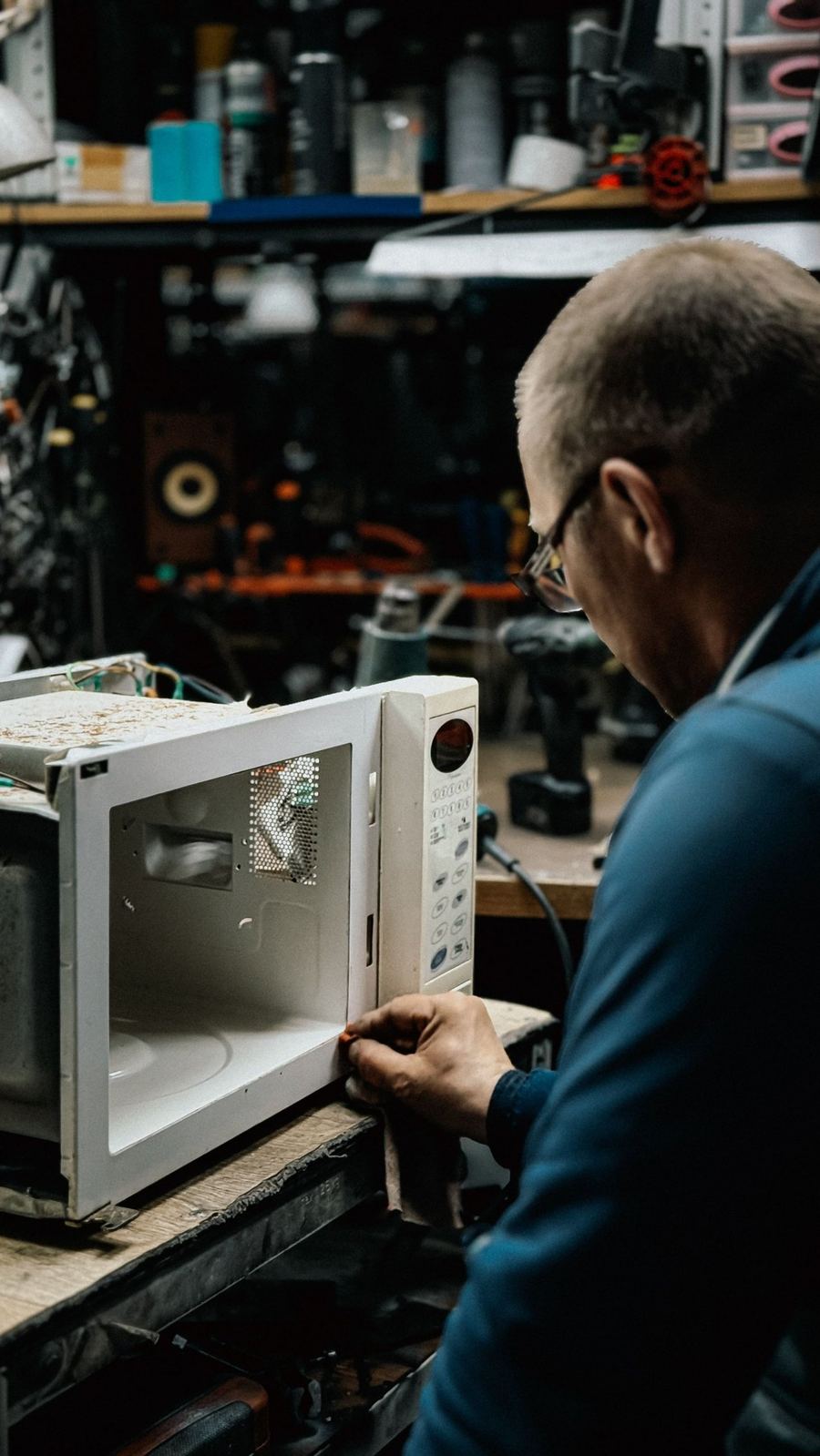
The vent flap is actuated by a thermal wax motor or 12V solenoid. If the wax motor burns out, the vent door remains clamped shut. Humid 140°F air has nowhere to escape and re-condenses all over your dishes as the tub cools down overnight.
4. Flow-Through Heater Burnout
If dishes come out cold and greasy as well as wet, the dishwasher is failing to heat the water. In modern machines, water is heated on the fly by an inline flow-through heater integrated directly into the wash circulation pump assembly.
Technicians verify heater continuity across its terminals with a digital multimeter (normal reading is 12 to 25 ohms). If the heating loop or safety thermostat is open, the final rinse enters at tap temperature (115°F) rather than sanitizing 160°F, eliminating thermal condensation drive entirely.
Professional Dishwasher Diagnostics Across Victoria
Tired of hand-towel drying every glass? West Coast Wrench diagnoses condensation drying faults, flow-through heaters, wax motor vents, and auto-open door release springs across Greater Victoria and Southern Vancouver Island.