
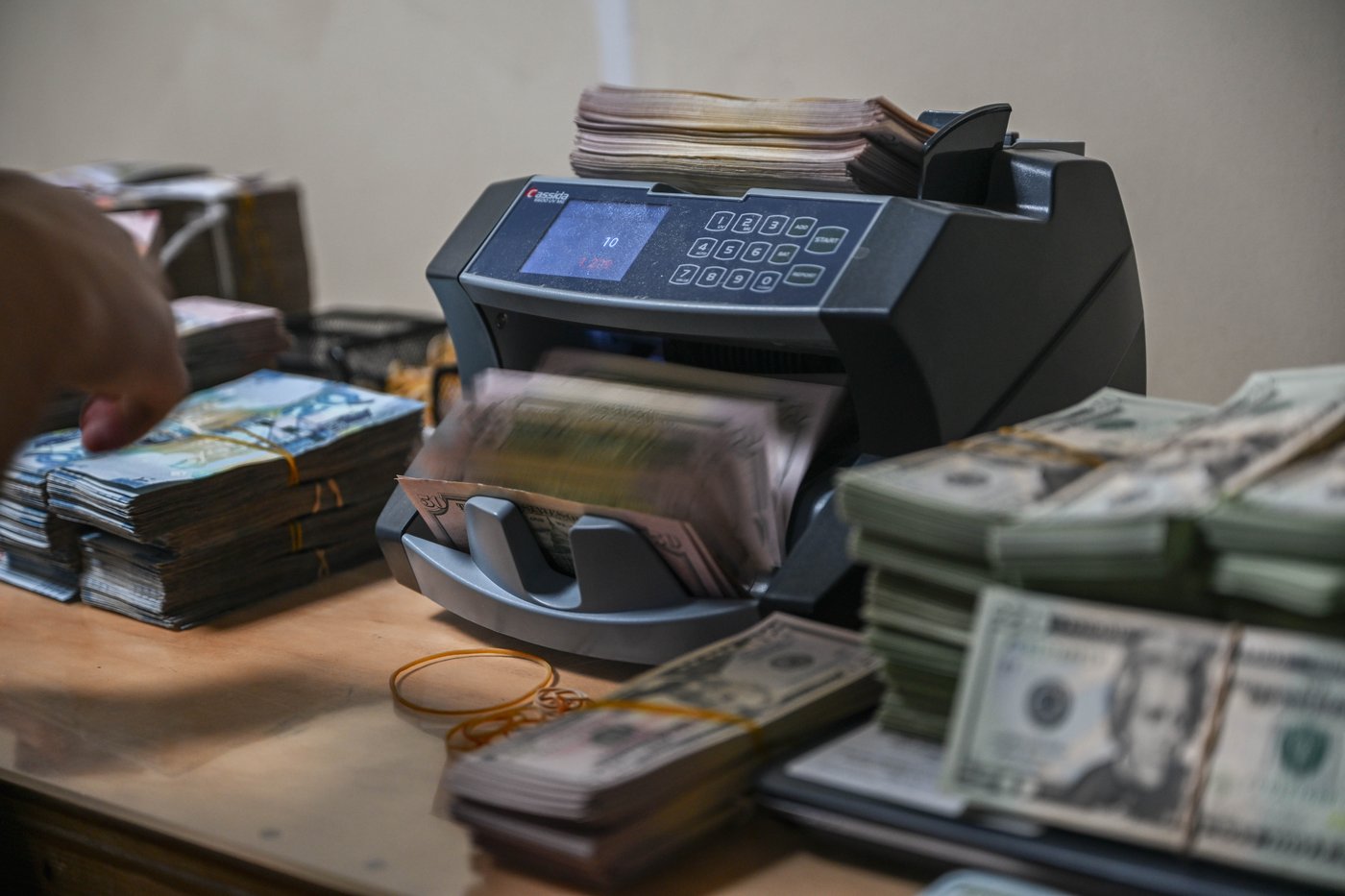
How Currency Discriminators Read Banknotes at High Speed
When a mixed stack of $5, $10, $20, $50, and $100 bills drops into the hopper, feed rollers accelerate each note into the flight path at speeds exceeding 20 notes per second. As the note flies through the transport chassis, it passes between Dual Contact Image Sensors (Dual CIS).
The CIS arrays capture high-resolution full-spectrum infrared, red, green, and blue optical scans of both sides of the banknote simultaneously. High-speed digital signal processors (DSP) compare the image against stored Bank of Canada spectral matrices to determine denomination, serial number, and authenticity in less than 35 milliseconds. Suspect notes or unreadable denominations are deflected into the upper reject pocket without stopping the main stack.
1. The Polymer Glare Challenge in Canadian Currency
Canadian polymer notes (Frontier Series) are made of smooth biaxially oriented polypropylene (BOPP) plastic rather than porous cotton rag paper. This creates unique optical challenges:
- Specular Reflection: Scratched or worn transport glass creates specular glare that blinds optical CIS lines.
- Static Charge Attraction: Polymer sheets generate substantial static electricity, attracting fine paper dust and atmospheric pollen directly onto the scanning glass.
- Large Transparent Window: The discriminator must recognize the clear maple leaf window as a legitimate security feature rather than flagging it as a "Half Note" or "Torn Edge" error.
2. Calibrating CIS Optical Arrays
When a discriminator begins rejecting 15% to 20% of genuine crisp bills into the reject pocket with "DENOM ERROR" or "IMAGE UNKNOWN", the optical arrays have lost white-balance reference.
Technicians perform a factory sensor calibration using specialized photometric white calibration sheets:
- Thoroughly clean both upper and lower CIS scanning glasses using 99% pure anhydrous isopropyl alcohol and lint-free microfiber swabs.
- Enter the technician service menu and initiate CIS Auto-Calibration.
- Pass the calibrated reflective target through the transport path. The DSP recalibrates pixel gain and offset across all red, green, blue, and infrared LEDs to establish uniform baseline reflectance.
3. Magnetic (MG) & Infrared (IR) Validation Rails
In addition to optical imaging, commercial discriminators utilize multi-channel magnetic head sensors to verify iron-oxide ferromagnetic ink present in the large numerals of Canadian currency, alongside infrared absorption sensors that verify metameric ink pairs.
If magnetic heads accumulate magnetized iron dust, they produce phantom baseline voltage spikes, triggering false counterfeit alarms. Demagnetizing and solvent-cleaning the sensor rails restores factory detection thresholds.
Commercial Cash Equipment Service Across Greater Victoria
West Coast Wrench provides certified on-site maintenance, optical CIS calibrations, and transport roller replacements for Cummins Allison, Glory, Magner, Cassida, and Carnation currency discriminators for financial institutions, casinos, and high-volume retail across Vancouver Island.