

The Four Sensing Modalities Inside a Cash Discriminator
Commercial currency processing hardware relies on four synchronized sensor arrays along the bill transport path:
1. Optical Counting Sensors (Photo-diodes): Measure bill length and count passing edges.
2. Infrared (IR) Density Sensors: Shine IR light through paper to detect paper opacity and identify double-feeds.
3. Ultraviolet (UV) Sensors: Verify that the paper does not glow (genuine banknote substrate absorbs UV without fluorescing).
4. Magnetic (MG) Heads: Inductive pickup coils that read the microscopic magnetic signature of iron oxide in printing inks.
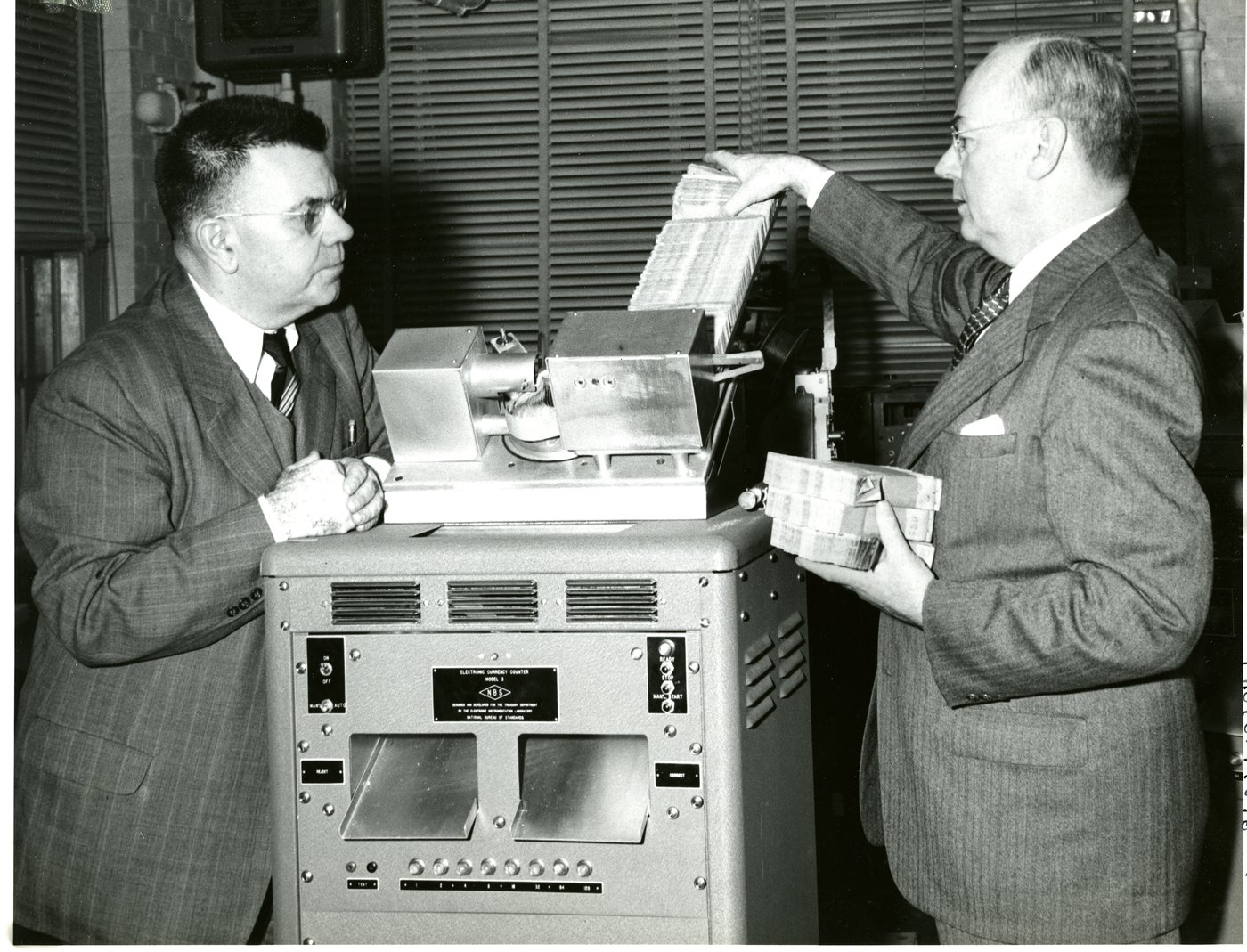
Step 1: Dry Compressed Air Depowdering (Zero Moisture)
Never blow into a banknote counter with your mouth. Human breath contains 100% relative humidity; condensed saliva droplets cause paper dust to solidify into cement on the optical lenses.
Turn the counter OFF and disconnect the power cord. Open the clamshell feed path. Use a can of filtered canned duster (held strictly upright to avoid spraying liquid refrigerant) or an anti-static ESD-safe electric blower. Direct short, sharp bursts across:
• The hopper feed slot and feeder rollers.
• The upper and lower CIS scanning glasses.
• The stacker pocket photo-detectors on the front tray.
Step 2: Microfiber & Anhydrous Isopropyl Wipe-Down
Dry air removes loose fuzz, but paper dust combined with skin oils leaves a stubborn oily film on glass lenses. This film scatters infrared rays, causing the machine to misjudge note density.
Take an optical-grade lint-free swab or microfiber cleaning cloth lightly dampened with 99% anhydrous isopropanol. Gently wipe the glass lenses in a single directional stroke. Do NOT use 70% rubbing alcohol (which contains 30% water and leaves water streaks as it dries).
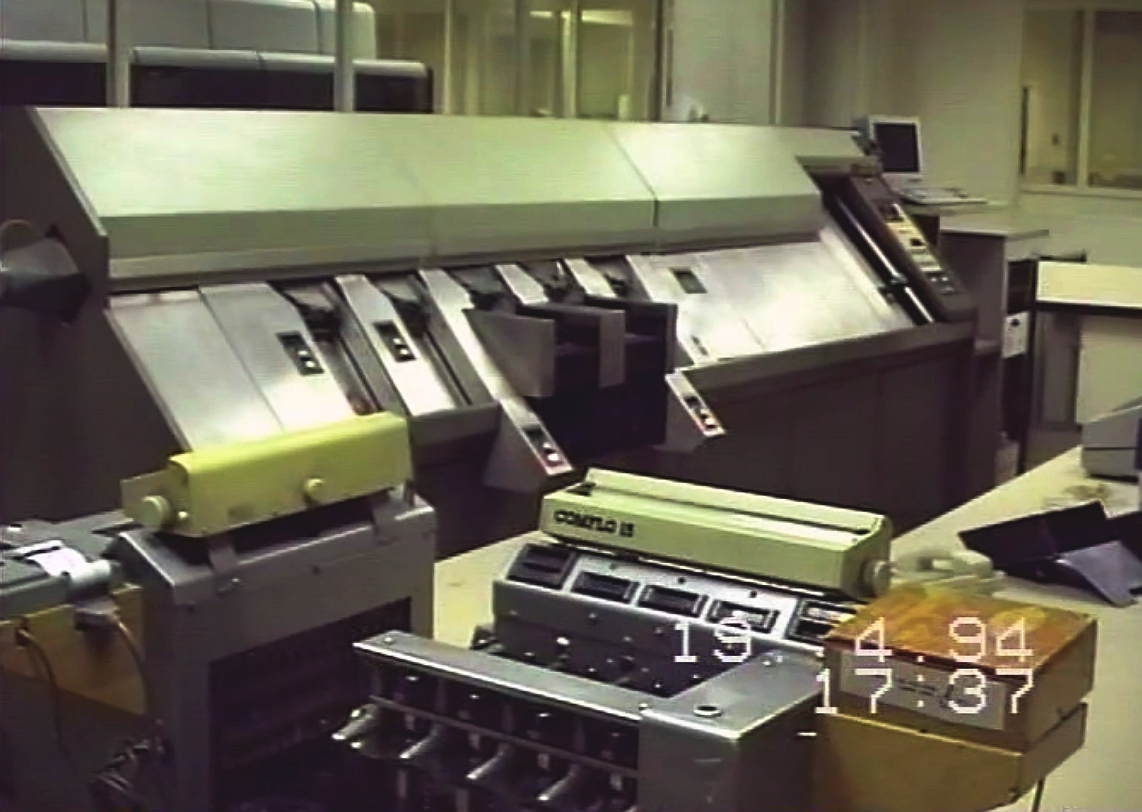
Step 3: Magnetic (MG) Head Demagnetization & Cleaning
Magnetic heads are similar to vintage audio cassette tape heads. As thousands of banknotes slide across them, the magnetic heads can attract microscopic ferrous dust particles that cling magnetically to the pickup gap.
Wipe the polished metallic face of the MG head with your alcohol swab. If magnetic error rates persist despite cleaning, cash automation technicians use a handheld demagnetizing wand (degausser) held 1 inch away to strip residual parasitic magnetism from the sensor head frame.
Step 4: Calibration Cards & Firmware Diagnostics
After deep cleaning, power the machine ON while holding the diagnostic service key (usually MENU + START). Check the raw sensor voltage readouts on the digital display:
Healthy infrared photo-detectors should read between 4.2V and 4.8V in idle ambient conditions. If a sensor reads below 3.0V even after cleaning, the emitter LED has degraded and requires component board replacement.
Commercial Cash Equipment Preventative Maintenance in Victoria
West Coast Wrench provides contracted preventive maintenance, optical alignment, and deep sensor decontamination for banks, credit unions, armored transport facilities, and retail cash offices across Southern Vancouver Island.